How to spend a long weekend in sub-tropical Madeira

I look out from the window of the restaurant, where I'm tucking into my watermelon, mango and tiny bananas for breakfast. The full glass wall frames a scene reminiscent of a Renaissance painting, and Madeira's capital, Funchal, falls away at my feet, its terracotta tiled roofs leading down towards the Atlantic.
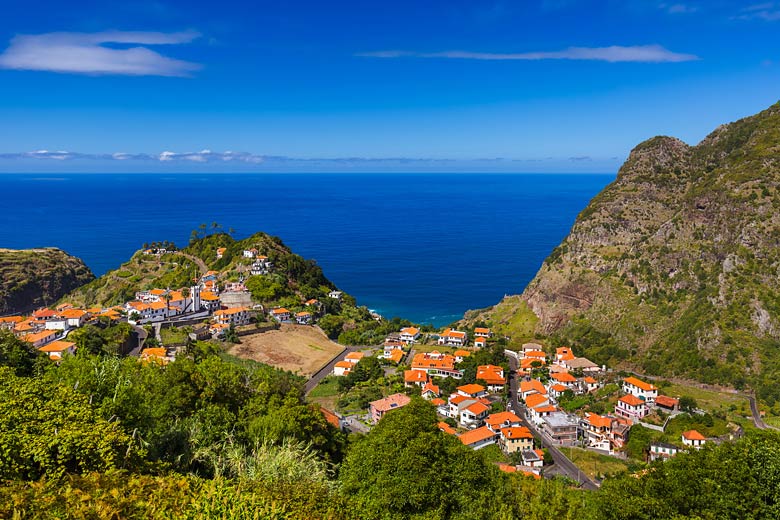
At the moment, it is a dark blue, but as the sun rises behind the uninhabited Desertas Islands, a honey yellow spreads slowly across the sea, casting a triple-masted sailing ship in the bay into silhouette.
The November temperature outside is already 18°C, and I'm excited to set out and explore the 'Floating Garden of the Atlantic', Madeira.
Madeira is a volcanic archipelago and autonomous region of Portugal* in the Atlantic Ocean. The islands lie around 500 miles / 800 km from mainland Portugal and 310 miles / 500 km northwest of the Canaries.
The centre of the island is a high mountain range that is criss-crossed with levadas (irrigation channels) that double up as hiking pathways leading down to its larger coastal towns. Thanks to its ancient volcanic nature and its sub-tropical climate, Madeira* is thought of as Europe's Hawaii.
The comparison is a fair one. Bananas grow in abundance, plants cover the majority of the island, trees soar into the sky, and huge cliffs protect it from Atlantic swells surfed by the pros.
Where to stay: find the latest offers on accommodation with Pierre & Vacances*, which offers self-catering and resort options as well as weekend breaks to Madeira*.
Day 1
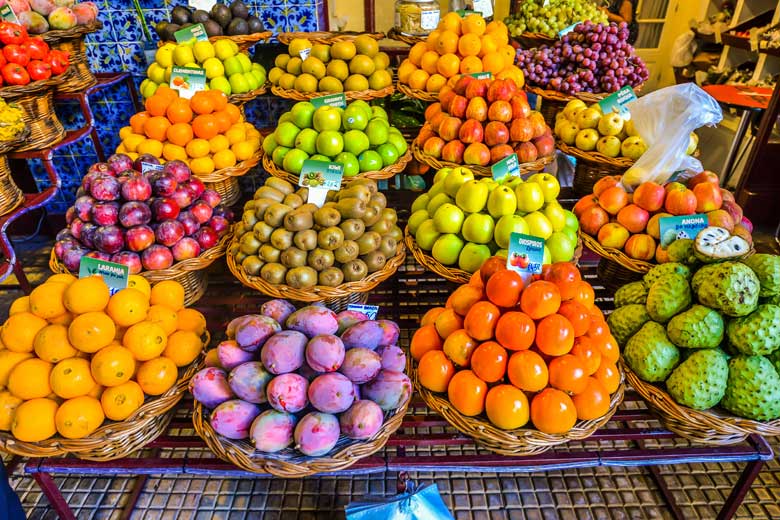
Most arrivals come via the capital, Funchal, but it is much more than just a portal to the island. Booking onto an Exquisite Food by Foot tour is a fantastic way to explore the old town and some of the delicacies Madeira has to offer, from fruits in the colourful farmers market to traditional cheesecake or pastel de nata in the central square.
Be careful sipping the local tipple, poncha (sugar cane alcohol, honey and lemon juice), it can really turbo boost your day.
While in the centre, wander to Blandy's Wine Lodge for a tour. The lodge provides an interesting history of how Englishman John Blandy established the business in 1811 and how it grew into the renowned name it is today. Once steeped in the atmosphere, it's time to sample some of the famous Madeira wine. Delicious.
Where to dine
Restaurant Vila da Carne is a perfect end to the day. It serves the authentic 'espetada' experience. Skewers of beautifully succulent beef are brought to the table on a spear hung from a cast-iron frame mounted on the table. It's a perfect way to end a day.
Day 2
Hire a car and get out into the island proper to experience its geological wonders and its coastal beauty.
Head first to Cabo Girão, which is said to be the highest promontory in Europe at 580 metres. If you're a fan of heights and don't mind the €5 fee, make for the glass-floored viewing platform, or skywalk; but go early as this can get very busy. Several hiking trails also start from here, giving you the option of exploring on foot too.
Drive across the middle of the island, ascending to nearly 2,000 metres, and you'll be treated to stunning views over mountain ranges, deep valleys, terraced farms and remote villages until you reach the north of the island.
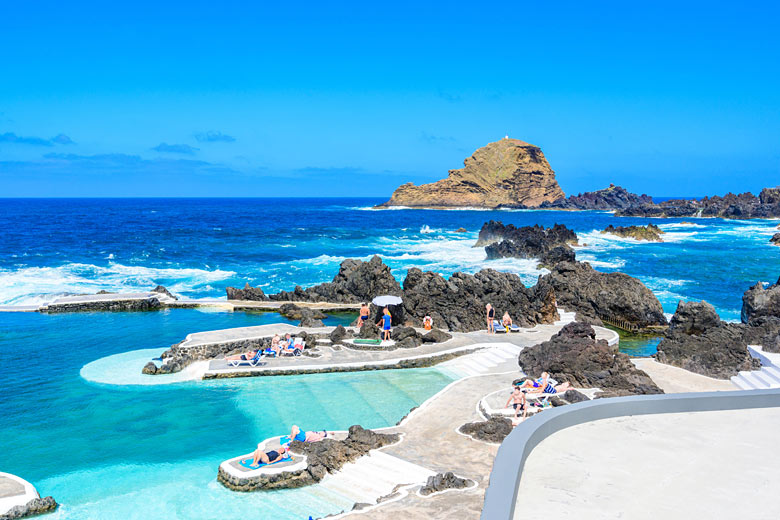
Stop in Porto Moniz for a tasty lunch in the Beer House and then relax by the natural sea pools formed by volcanic rock or relax on a sun lounger.
Where to dine
Back in Funchal, it's time to treat yourself to a civilised dinner in the Victorian elegance of Jardin Magnolia. The restaurant offers contemporary Madeiran dishes such as bacalhau no forno (codfish with truffled onions) in an intimate setting in the converted estate house.
Day 3
For a place with undeniable character, it's perhaps unsurprising that Madeira has developed an eclectic collection of annual festivals full of colour, history and even a few drinks. If you coincide your visit with one of the many events, it's a great way to spend a day.
The vibrant Carnival runs from mid-to-late February, while the internationally-renowned Madeira Flower Festival sets the streets ablaze with blooms from the end of April to the end of May, with two major parades.
Much of June sees the Atlantic Festival celebrate the coming of summer with music, performances and cultural displays, and from August well into September there's the Wine Festival, marking the harvest season.
In October, Madeira's popular Nature Festival brings lovers of the outdoors together to celebrate its natural beauty, with all sorts of hiking, paddling and creative events.
In early November, make your way to the Valley of the Nuns (so called as it was a hiding place from pirates for local nuns), where the Festa da Castanha celebrates the chestnut harvest and the village comes alive with folk songs and parades.
Christmas is widely celebrated, and while various events are held throughout December, the real party for Madeirans is on New Year's Eve, culminating in a huge fireworks display over Funchal Bay.
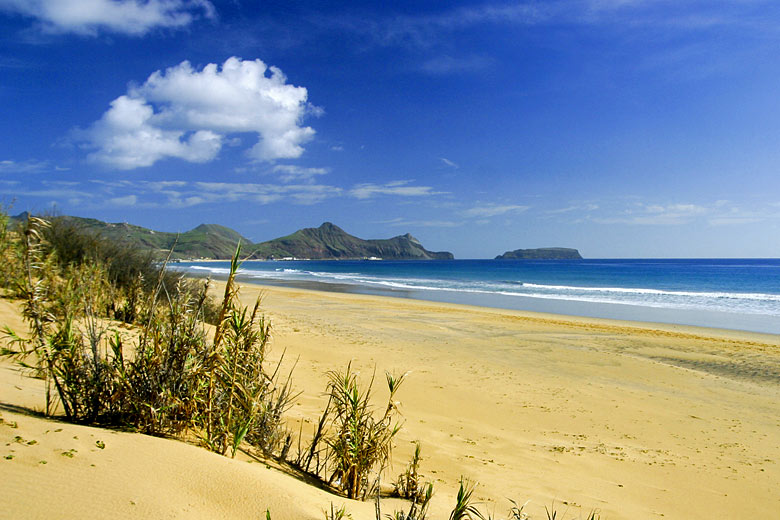
If you visit between festivals, then you consider hopping a ferry across to the sister island of Porto Santo and experience a completely different way of life. With fewer people and a drier climate, Porto Santo has a more laid-back vibe than the main island of Madeira, not to mention a 5.5 miles / 9 km stretch of golden sandy beach.
Where to dine
After a day of festive fun, refuel at Akua Restaurant. Expect to choose from a modern mouth-watering Asian inspired seafood menu close to the marina. It's a popular restaurant, so be sure to book in advance.
Day 4
Madeira has 1,864 miles / 3,000 km of hiking pathways graded to meet all needs (including two called Caminho Para Todos, or Path for Everyone) that are almost accessible for all needs.
These levada paths lead to secluded valleys, through tunnels, among forests and allow you to feel removed from civilisation for a short while.
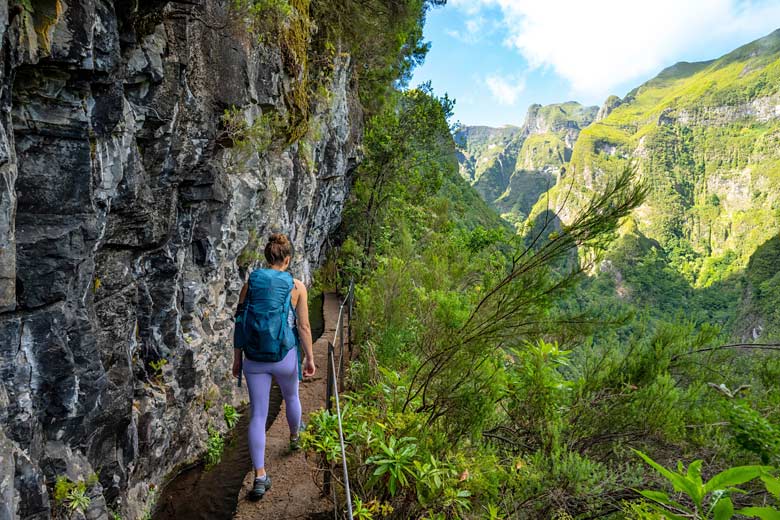
The network of levada trails spans the island, giving you a range of starting points. The Caldeirão Verde, for instance, passes stunning escarpments, skirts a lake into hand-chisselled tunnels and boasts a beautiful waterfall.
Drop into Engenho do Norte, a working rum distillery, to taste some of the Madeiran spirit made from one of the island's most prominent crops, sugar cane.
Round off your day at the most easterly point of the island, Ponta de São Lourenço, where you'll enjoy dramatic, windswept views.
Where to dine
For the final night's dinner, book a table at quayside Nini Design Centre. Situated in the old fort, the lower floor is a café by day alongside a modern art exhibition space.
The stylish restaurant upstairs offers incredible views of Funchal and some of the best food to be had on the island. It offers taster menus as well as à la carte dining.
Sitting with a glass of the local wine, looking back over the glittering lights of Funchal rolling up the hillside, it's a wonderful way to sign off your trip.
Top tips for visiting Madeira
Madeira is an understandably popular destination, in no small part down to its climate. However, it can be very busy. The peak months for tourists are May through to September, so if you want to explore Madeira in a quieter period, it's best to avoid these times.
Owing to its microclimate and changeable weather, it's best to come prepared with a variety of gear, from layers to waterproofs. The north generally sees more rain than the south, and the higher you go, the cooler it will become. If you are heading out hiking in the mountains, beware that conditions can change quickly.
Accessibility has improved in recent times, and most urban areas and public transport are good. Two trails, Caminho Para Todos, are advertised as fully accessible, but please be aware that there may be thick mud patches after heavy rainfall that will make wheelchair use very difficult.
Although the island is relatively compact at just 35 miles / 56 km by 14 miles / 22.5 km, it's best to adjust your driving times when planning your days. There are over 80 tunnels in Madeira (my guide says the island is 'like Swiss cheese'!), which can affect your sense of direction. Sections of mountain roads can also be quite twisty, so overestimate the amount of time you need and enjoy the views along the way.
As the sun sets on my final day on this gloriously diverse island, I reflect that it is very unlike anywhere else in Europe and, unlike the Canaries, it's much greener and tropical in nature. Knowing that this island paradise is around four hours from most UK airports makes Europe's Hawaii a must-return destination.
Climate in Madeira
| Jan | Feb | Mar | Apr | May | Jun | Jul | Aug | Sep | Oct | Nov | Dec | |
|---|---|---|---|---|---|---|---|---|---|---|---|---|
| Maximum daytime temperature °F |  59 59 |
59 |
61 |
61 |
 64 64 |
68 |
 72 72 |
73 |
73 |
70 |
64 |
61 |
| Hours of sunshine (daily) | ||||||||||||
| Days with some rainfall |  12 12 |
11 |
10 |
 9 9 |
 6 6 |
5 |
 2 2 |
3 |
6 |
10 |
11 |
12 |
| Sea temperature °F |  64 64 |
64 |
64 |
64 |
66 |
 70 70 |
 72 72 |
73 |
 75 75 |
73 |
70 |
68 |




The above guide shows the climate in Funchal. Find out more about conditions across the archipelago in our complete guide to the climate in Madeira.
Ready to experience Madeira? Find your great value accommodation with current online offers from Pierre & Vacances.

More about Madeira





Madeira by month
Jan Feb Mar Apr May Jun Jul Aug Sep Oct Nov Dec
Explore holiday destinations
- Beach holidays
- City breaks
- Family holidays
- Half term holidays
- Spring holidays
- Summer holidays
- Autumn holidays
- Winter sun holidays
- Honeymoons
- Coolcations
- Compare places
- Ski resorts
Save with latest deals & discounts
- Holiday offers
- Top travel brands
- Airlines & flights
- Discount hotels
- TUI
- Jet2holidays
- Neilson
- Marella Cruises
- Holiday Extras
- Pierre & Vacances
- Caledonian Travel
- Club Med
Airport parking
- Manchester Airport
- Stansted Airport
- Bristol Airport
- Luton Airport
- Birmingham Airport
- Edinburgh Airport
- Gatwick Airport
- Glasgow Airport
- Newcastle Airport
Airport lounges
- Manchester Airport
- Birmingham Airport
- Bristol Airport
- Edinburgh Airport
- Glasgow Airport
- Heathrow Airport
- Newcastle Airport
- Stansted Airport
- Gatwick Airport
Be inspired
Get your weekly fix of holiday inspiration from some of the world's best travel writers plus save on your next trip with the latest exclusive offers
We promise not to share your details