From mobile camps to hiking: what type of African safari is best for you?

Heading out on an African safari is a thrilling, life-affirming experience. Witnessing the glories of the natural world first-hand and up close, from the Great Wildebeest Migration of Tanzania and Kenya to the antics of the Big Five and their cousins, the Little Five, induces a thrill that will have you waxing lyrical about your safari holiday for months after you return home.
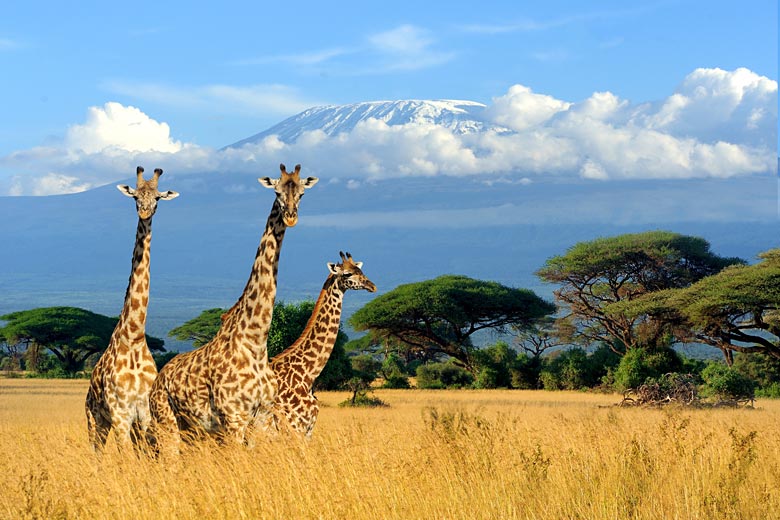
Incredibly safe too, many African safaris are family-friendly affairs, which manage to keep even the pickiest of young safari goers interested and entertained. But one thing is for certain: an African safari isn't just an African safari.
Having enjoyed safaris as far afield as Ghana and South Africa, I can attest to the extraordinary range now on offer. There are those which stick to the tried-and-tested model of game drives across savannah grasslands from a fixed lodge, but also those that take to the continent's lakes and waterways or head out after the sun's gone down in search of animals most active by night.
Many of the safari-curious aren't even aware of the range of different safari options available to them: traditional game drives, self-drive, small-group, mobile camp, horseback, bicycle, gorilla trekking, and fly-in lodges. It's not only where you go on safari, but also how you safari that can make all the difference to what you ultimately see, experience and feel.
Book it: whether you're planning your first safari or you're a seasoned safari-goer, you'll find great offers on expert-led trips to safari hotspots across Africa with the likes of TUI Tours*, Travelsphere*, Wendy Wu Tours*, Explore!* and Go2Africa*. Find tours for every budget and interest, and book online in advance to secure the best deal.
The first-time safari
The mental image of African safaris is one of guided vehicle-led safaris driving off-road through regions of golden grasses inhabited by the Big Five (lion, leopard, Cape buffalo, elephant and rhino).
This is the safari most first-time safari goers will opt for, with good reason. Popular destinations in this category of safari include the East African states of Tanzania and Kenya. This is where safaris began at the end of the 19th century; safari being a Swahili word meaning 'journey'.
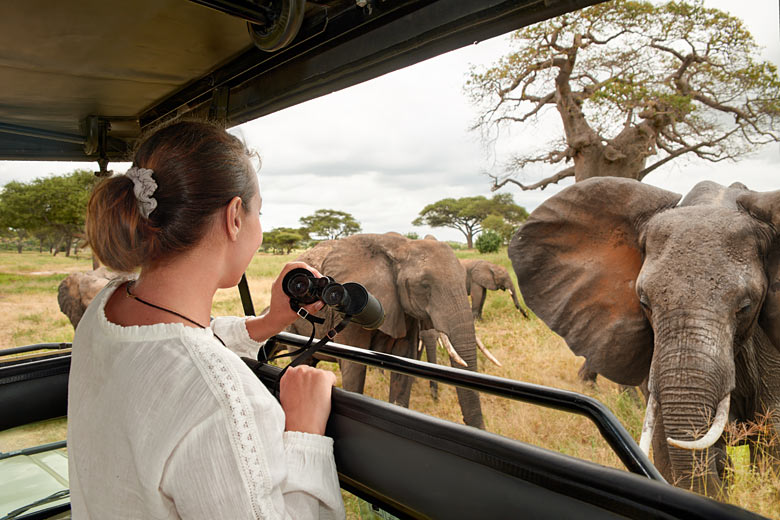
The big hitters here are undoubtedly safaris in the Serengeti in Tanzania and Maasai Mara in Kenya, two national parks and surrounding conservation areas connected without fences. They're also home to both the Great Wildebeest Migration and the Ngorongoro Crater, the world's largest intact volcanic caldera.
You can add to this list safaris in South Africa's Kruger National Park, which, at roughly the same size as Wales, has provided an extraordinary habitat for the region's wildlife since it was founded in 1926.
Usually based out of a single lodge with game drives morning and afternoon, safaris of this nature generally last three days, providing ample opportunity for spontaneous animal sightings and relaxation.
And that's all before heading off to uncover some of the other wonders of the region, such as Bryce River Canyon (beloved of hikers and backpackers) or combining Kruger and the Garden Route, a phenomenal coastal drive.
Top tip: opt instead for a mobile camp, which gives you a more memorable experience and a greater overall chance of specific sightings you might be after, as it allows you to follow the movement of animals rather than hoping they come to you.
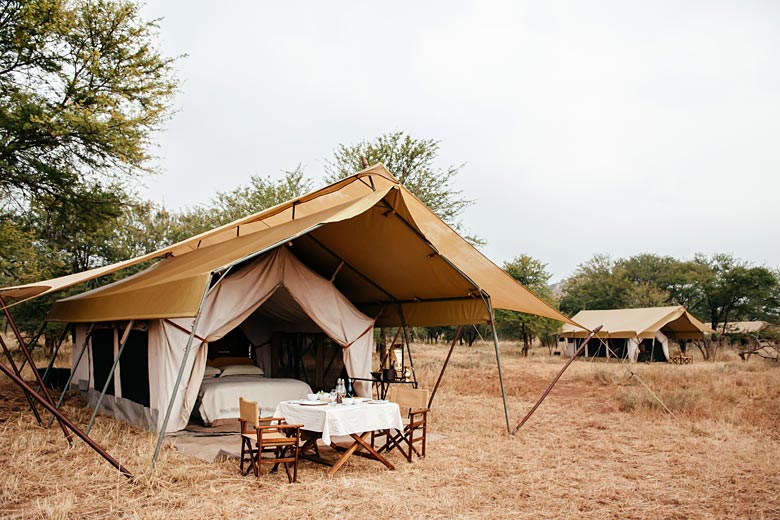
Fly-in lodges do exactly as it sounds, swapping potentially long road transfers for short internal flights to often-isolated spots with excellent wildlife viewing, making them particularly popular with professional photographers looking to spend as long as possible in the field. They're also great for the privacy sought by many honeymooners.
Is a self-drive safari right for you?
If you're reasonably confident behind the wheel, a self-drive safari might be for you. Often coming with pre-set itineraries and plenty of safety features, such as regular check-ins with staff by radio, they give you greater freedom to head out at your own pace.
However, without an expert at hand (you can also now find self-drive tours with guides in a lead vehicle), you run the risk of missing out on sightings, and you do limit your destinations as not all national parks allow self-drive vehicles.
Namibia is an excellent self-drive option, allowing safari goers to combine a few days in the immense Etosha National Park before off-roading in the desert landscapes of the Kalahari or the country's vast Atlantic coast around the town of Swakopmund, an area renowned for its birdlife.
Well used to welcoming self-drivers, Namibia's road infrastructure is excellent, traffic at a minimum (it's one of the least densely populated nations on the planet) and wildlife sightings are some of the best on the continent, whether you're seeking out elephant or rarer desert dwellers such as oryx.
Climate: don't miss our detailed country climate guides to help plan when to go to your chosen safari destinations for the best weather.
Safaris beyond the vehicle
When it comes to safaris, horsepower doesn't have to refer to the power of a diesel engine. For a completely different vantage point, those with a little experience riding can opt for one of the growing number of horseback safaris available.
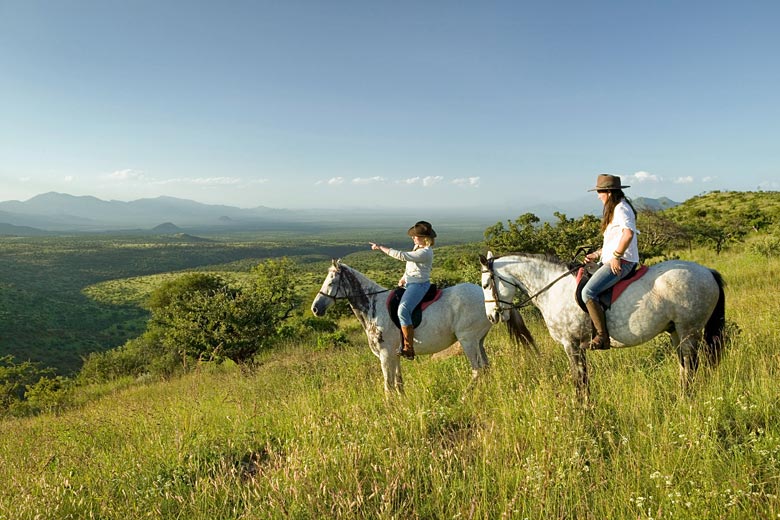
There are few better ways to experience the ultimate thrill of being truly out in the wild, and the steady, natural progression of your horse allows you to approach skittish animals such as zebra with more ease.
That said, you generally stay clear of predatory species for obvious reasons, and hardcore photography fans will also probably want to look at other safari options given the difficulty of image capture while on horseback.
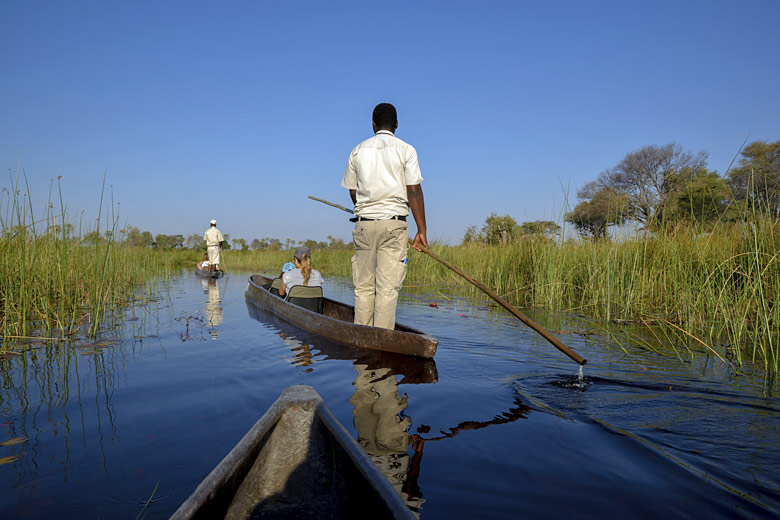
Kenya's Maasai Mara is a great place to get into the thick of it on horseback, as is Botswana's Okavango Delta, one of the world's most extraordinary safari destinations, whose watery wilderness can also be explored by more traditional mokoro flat-bottomed canoes or overnight in a modern houseboat.
It's equally possible to swap the leather saddle of a horse for the padded saddle of a bicycle, with Kenya, Namibia and South Africa all being popular cycle-safari destinations.
Alternatively, do away with everything but your own two feet by adding a walking safari through Zimbabwe's Matobo National Park to your southern African safari.
Although it may sound like a totally crazy proposition at first, you'll soon realise the benefits of such an adventure, including the chance to get within metres of highly endangered white rhinos, one of the park's most famous residents.
Primate tracking safaris
Don't make the mistake of assuming you'll see a gorilla or chimpanzee on a traditional safari. Their limited population numbers and very specific habitat requirements mean our closest living relatives are some of the hardest animals to spot on safari.
However, if you're keen to feel the gaze of a silverback mountain gorilla in the montane forest of East Africa's lakes region, or to exchange glances with a troop of chimpanzee, there are safaris out there that enable you to do just that.
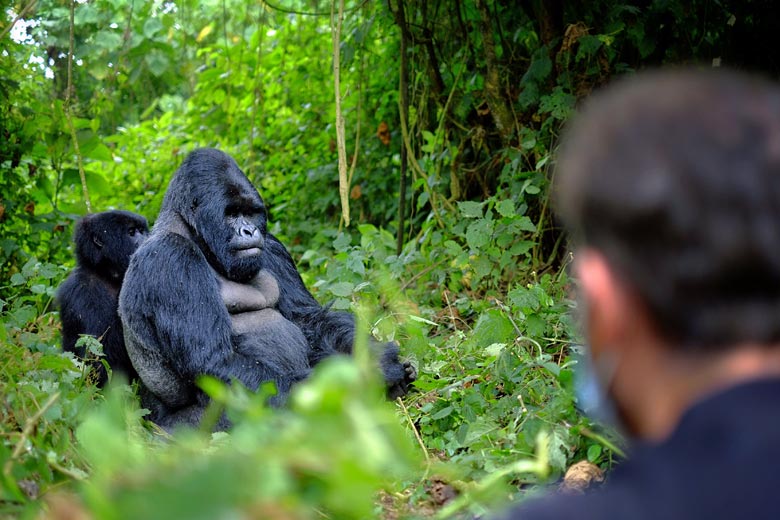
With mountain gorillas living in just three of Africa's 54 nations, you'll want to head on a dedicated gorilla or primate tracking safari to either Uganda, Rwanda or the eastern portion of the Democratic Republic of Congo.
You should also note that such safaris are physically demanding, requiring walks of anywhere from one to six hours to reach and spend time with the animals, though it is undoubtedly an unforgettable encounter for all those who do it.
Book your perfect safari: browse current offers on group and private safaris in countries across Africa from industry leaders.

More about Africa





Africa by month
Jan Feb Mar Apr May Jun Jul Aug Sep Oct Nov Dec
Explore holiday destinations
- Beach holidays
- City breaks
- Family holidays
- Half term holidays
- Spring holidays
- Summer holidays
- Autumn holidays
- Winter sun holidays
- Honeymoons
- Coolcations
- Compare places
- Ski resorts
Save with latest deals & discounts
- Holiday offers
- Top travel brands
- Airlines & flights
- Discount hotels
- TUI
- Jet2holidays
- Neilson
- Marella Cruises
- Holiday Extras
- Pierre & Vacances
- Caledonian Travel
- Club Med
Airport parking
- Manchester Airport
- Stansted Airport
- Bristol Airport
- Luton Airport
- Birmingham Airport
- Edinburgh Airport
- Gatwick Airport
- Glasgow Airport
- Newcastle Airport
Airport lounges
- Manchester Airport
- Birmingham Airport
- Bristol Airport
- Edinburgh Airport
- Glasgow Airport
- Heathrow Airport
- Newcastle Airport
- Stansted Airport
- Gatwick Airport
Be inspired
Get your weekly fix of holiday inspiration from some of the world's best travel writers plus save on your next trip with the latest exclusive offers
We promise not to share your details