The Maldives or Mauritius: which island nation is right for you?

Mention Indian Ocean luxury holidays, and your mind will no doubt take you to palm-fringed, alabaster-white beaches lapped by turquoise seas, perhaps a chain of overwater villas snaking across this paradisiacal scene.
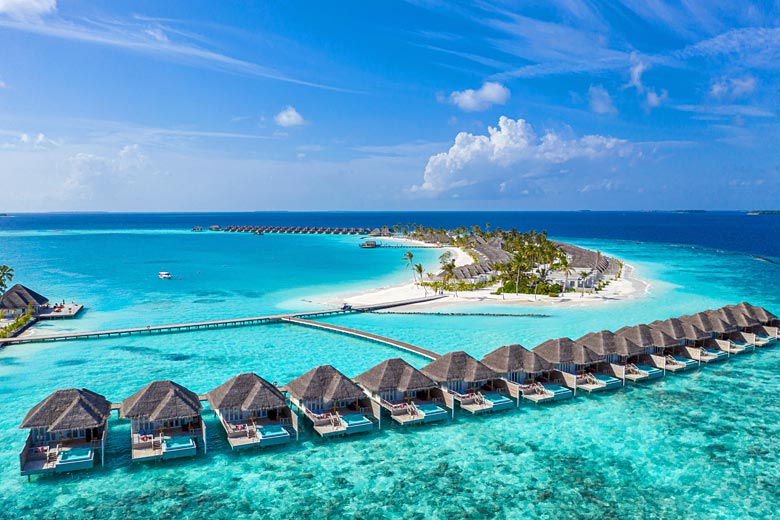
This is what travel brochures have encouraged us to expect of the Maldives and Mauritius, and though each promises peak indulgence and tropical escapism, they're very different island characters.
Getting there: whichever island nation you choose for your next idyllic escape, be sure to check out the latest offers from TUI*, which offers holidays to both the Maldives* and Mauritius* for couples and families alike.
Landscape & beaches
Though both Indian Ocean island nations, the Maldives and Mauritius, separated by 2,000 miles and the Equator, aren't exactly neighbours. The Maldives sits in the Northern Hemisphere, to the west of Southern India and Sri Lanka; while Mauritius is in the Southern Hemisphere, off the coast of East Africa, between the Equator and the Tropic of Capricorn.
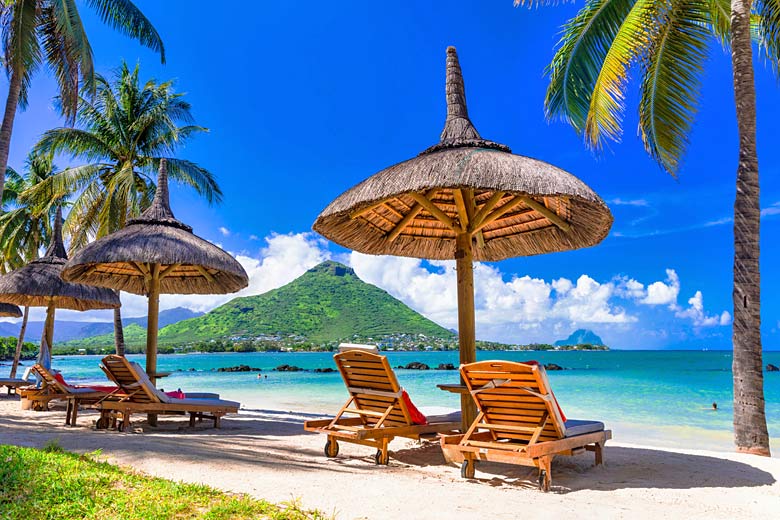
Geology also separates them. Mauritius is a volcanic island where rugged, forested mountains and lush highlands carved by rivers and waterfalls slope to its sandy coastline.
Palms and casuarina trees fringe the beaches and twinkling blue lagoons, particularly in the east. Expect cliffs in the south and sunsets over western beaches, framed by dramatic mountains such as Le Morne Brabant.
The Maldives, meanwhile, is an archipelago of coral islands across 26 atolls, with a maximum elevation of just 2.4 metres above sea level, so you won't need to pack hiking boots. The Maldives pioneered tourism modelled around "one island, one resort", and with 1,190 islands to choose from, it offers plenty of options.
Culture & history
Culturally, the islands differ tremendously. Mauritian culture is very accessible, while you're more likely to have to seek out Maldivian culture.
The Maldives' location made it a stop on trade routes between India, Sri Lanka, East Africa, and Arabia; its islands supplied dried fish and cowrie shells, used as early currency in Africa and India, while absorbing traders' religions and influences.
Given that most resorts are on islands, often separated from real Maldivian life (even though some resorts incorporate local traditions into their experience), it can be challenging to encounter Maldivian culture.
However, spend a day in the capital, Malé and you can visit Hukuru Miskiy, a 17th-century mosque built from carved coral, to discover the Maldives' Islamic roots.
You can also take a dhoni sailing trip for a sense of its maritime heritage. If you're island hopping, stay on islands inhabited by locals, such as laidback Thoddoo, where watermelon and papaya are farmed, Dhigurah, known for its whale shark populations, or the popular Maafushi, easily accessible from Malé.
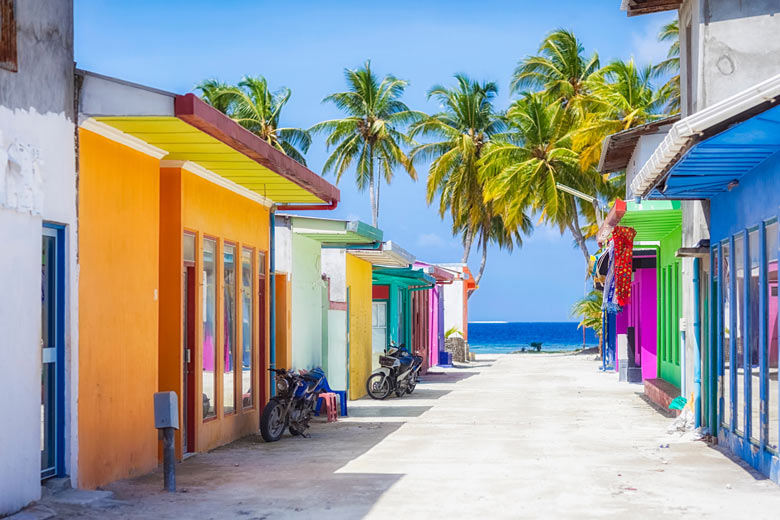
Mauritius' complex history of colonisation and slavery has resulted in a diverse mix of Creole, French, Indian, African and Chinese traditions, evidenced in the island's food, music and dance. You can experience its history in the capital, Port Louis, at UNESCO-listed Aapravasi Ghat, where indentured workers arrived from India in the mid-19th century.
Then there's Jummah Mosque, surrounded by streets with Indian and Chinese influences, in its Chinatown along Royal Road, at the former British stronghold, Citadel Fort Adelaide, and at Central Market, where flavours from around the globe are sourced for the literal melting pot of flavours that is Mauritian cuisine.
Food & drink
To get a sense of Mauritian food, think French flair meets Asian and African ingredients. Expect tongue-tingling curries, dhal, sweet pastries and cheeses, perhaps even on the same menu.
Be sure to try these Mauritian specialities such as dholl puri, a thin pancake filled with yellow split peas and served with curry or rougaille, regarded as the national dish with fish, seafood or meat in a tomato-based Creole sauce.
You will also find creative use of heart of palm, the tender inner shoots of palm trees, in gratins, salads, and even ice cream and crème brûlée.
Given Mauritius' sugar-producing past, rum is a speciality. Worth a look are artisan tipples like Labourdonnais' Amélia, made from pure cane juice and distilled in ruby port casks.
Much like its culture, you likely have to seek out traditionally Maldivian food with intent if you're staying at one of its luxury island resorts. High-quality international restaurants, including Italian, Thai, and Indian food, are often a feature.
However, those that do serve traditional Maldivian dishes often include sambals and curries that rely heavily on fish (often tuna) and coconut. It's an unusual yet tasty, tropical combination.
A favourite dessert is dhonkeyo kajuru, a crisp, deep-fried ball of ripe banana and grated coconut, revealing a soft, sweet centre.
As a Muslim country, alcohol isn't a feature of traditional Maldivian life; however, it is widely found in resorts.
Excursions & shopping
Day trips in the Maldives come largely on the water: island hopping, dolphin watching cruises and fishing trips. It truly excels in marine adventures; snorkelling and diving trips offer encounters with abundant sea life you often won't find elsewhere.
My greatest snorkelling memories come not from Southeast Asia, the Caribbean or even Australia's Great Barrier Reef, but from the Maldives, where nature is the star. I've swum with nurse sharks, amidst a "cyclone" of around 30 manta rays, and tracked an elusive whale shark on a trip with a marine biologist.
But you don't have to venture far from land. Forget the house wine; Maldivian resorts serve up house reefs teeming with schools of fish. And if swimming isn't for you, the sea can be shallow and clear enough from a deck for blacktip reef sharks, turtles, stingrays and parrotfish to reveal themselves.
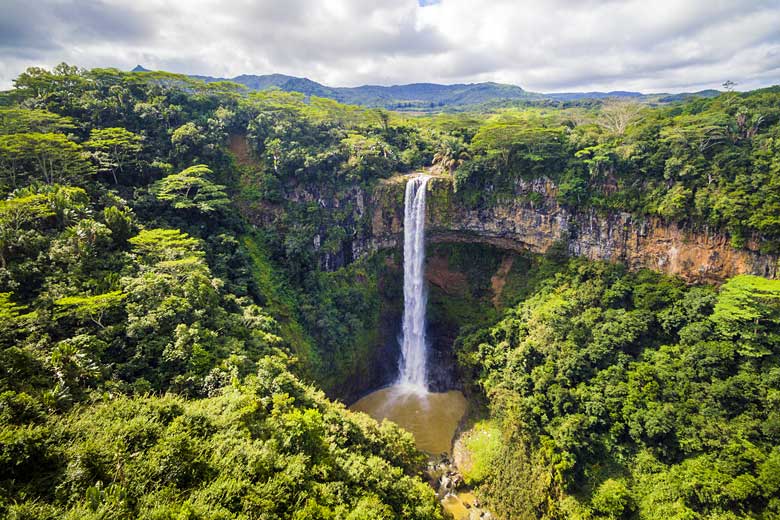
Though Mauritius offers incredible snorkelling and diving, it also has great land adventures, from hiking to spotting monkeys and other wildlife to visiting Chamarel waterfall and exploring botanical gardens at Pamplemousses.
The island also has numerous markets worth a stop, including Central Flacq Market, for local delicacies, freshly pressed sugar cane juice, and all manner of locally crafted gifts.
While both nations boast pristine turquoise seas and palm-fringed beaches, Mauritius is an island you can explore, eat your way around, and dig into its culture; the Maldives is a place where the ocean is the main character. So, are you more Mauritius or the Maldives?
Compare the weather
Maldives vs Mauritius
- Maximum daytime temperature
- Hours of sunshine
- Days with some rainfall
- Monthly rainfall
- Sea temperature
Maximum daytime temperature (°C)
Hours of sunshine per day
Days with some rainfall
Monthly rainfall (mm)
Sea temperature (°C)
Use the graphs above to compare the climate in the Maldives and the climate in Mauritius. Find out more about conditions across the country in our complete guide to the climate in the Indian Ocean.
Decided which island you're visiting first? Don't miss the current online deals on luxury holidays with TUI.
Explore holiday destinations
- Beach holidays
- City breaks
- Family holidays
- Half term holidays
- Spring holidays
- Summer holidays
- Autumn holidays
- Winter sun holidays
- Honeymoons
- Coolcations
- Compare places
- Ski resorts
Save with latest deals & discounts
- Holiday offers
- Top travel brands
- Airlines & flights
- Discount hotels
- TUI
- Jet2holidays
- Neilson
- Marella Cruises
- Holiday Extras
- Pierre & Vacances
- Caledonian Travel
- Club Med
Airport parking
- Manchester Airport
- Stansted Airport
- Bristol Airport
- Luton Airport
- Birmingham Airport
- Edinburgh Airport
- Gatwick Airport
- Glasgow Airport
- Newcastle Airport
Airport lounges
- Manchester Airport
- Birmingham Airport
- Bristol Airport
- Edinburgh Airport
- Glasgow Airport
- Heathrow Airport
- Newcastle Airport
- Stansted Airport
- Gatwick Airport
Be inspired
Get your weekly fix of holiday inspiration from some of the world's best travel writers plus save on your next trip with the latest exclusive offers
We promise not to share your details