




























- Explore best fares on flights worldwide with Air France
- Book deals on flights to Europe, Africa, Asia & Americas
- Check out promo fares by continent. Filter by cabin class
Argentina weather by month
Check out Argentina weather averages by month. Compare detailed monthly climate statistics including temperature, rainfall and sunshine figures.
| Jan | Feb | Mar | Apr | May | Jun | Jul | Aug | Sep | Oct | Nov | Dec | |
|---|---|---|---|---|---|---|---|---|---|---|---|---|
| Maximum daytime temperature °C | ||||||||||||
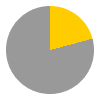
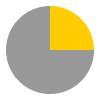
| Hours of sunshine (daily) | ||||||||||||
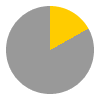
| Days with some rainfall | ||||||||||||
| Sea temperature °C |
More about Argentina
Argentina by month
Jan Feb Mar Apr May Jun Jul Aug Sep Oct Nov Dec
Recommended for Argentina
The climate guide for Argentina (Buenos Aires) shows long term monthly weather averages processed from data supplied by CRU (University of East Anglia), the Met Office & the Netherlands Meteorological Institute. Find out more about our data sources.
Top Argentina destinations
Below are average maximum temperatures at popular destinations in Argentina for next month - May. Select a destination to see the climate guide for all months of the year.


All Argentina destinations
- Bahia Blanca
- Buenos Aires
- Comodoro Rivadavia
- Cordoba
- El Calafate
- Iguazu Falls
- Mar del Plata
- Mendoza
- Rosario
- Salta
- San Carlos de Bariloche
- San Miguel de Tucuman
- Ushuaia
Metric (°C / mm) | Imperial (°F / inches)
Argentina climate overview
Argentina is the second largest country in South America and occupies most of the southern portion of the continent with a long Atlantic coastline. About 85% of the population are of European origin, making it the most 'European' of all South American countries and over one third of Argentineans live in or around the cosmopolitan capital, Buenos Aires.
The geography of Argentina is dominated by the Andes Mountains that stretch along the entire length of its western border with Chile. From the base of the mountains a gently undulating plain gradually extends eastward down to the Atlantic Ocean.
The most fertile region is the central eastern area known as the Pampas, a vast expanse of flat treeless grassland now transformed to growing wheat and other cereals, and raising cattle. Rainfall is higher in the summer than the winter on the Pampas, however the percentage of daylight hours with bright sunshine is also higher in summer. Rainfall in all months decreases with distance from the sea.
The north of the country is tropical with a winter dry season. At low elevations summers can be hot and humid but winter temperatures are generally comfortable, though frosts do occur throughout the region. Some rain falls in the east during the winter months and the vegetation reflects this, with areas of rainforest in the extreme north east of the country.
Western Argentina is arid because the prevailing winds in this region blow from the west off the Pacific Ocean and deposit their moisture as rainfall in Chile on the western side of the mountains. The eastern slopes receive very little rain, and desert conditions extend in a swathe down the west of the country and, between the Colorado and the Deseado Rivers, as far as the Atlantic Ocean. What little rainfall there is falls generally in the summer months.
South of here lies Patagonia, an enormous desolate region of inhospitable mountains and plateaux with snow-capped volcanoes and glaciers. Rain or snow falls mostly during the freezing cloudy winters, while the cool summer months tend to be windy but mostly dry. Poor soils and the lack of rainfall make this region unsuitable for cultivation and consequently it is sparsely populated.
More about Argentina

Compare Argentina with the USA
Below the Argentina chart shows average maximum daytime temperature for Argentina (Buenos Aires) and the USA (Washington).
Maximum daytime temperature (°C)
Argentina (Buenos Aires)
USA (Washington)
Jan
Feb
Mar
Apr
May
Jun
Jul
Aug
Sep
Oct
Nov
Dec
Metric (°C / mm) | Imperial (°F / inches)
Compare more Argentina weather >>
Be inspired
Get your weekly fix of holiday inspiration from some of the world's best travel writers plus save on your next trip with the latest exclusive offers
We promise not to share your details
Related posts

Popular travel offers


Explore holidays in the sun for less
- Beach holidays
- Family holidays
- City breaks
- Summer holidays
- Winter sun holidays
- Holiday offers
- Top travel brands
- Airlines & flights
- Discount hotels
- Airport parking deals
- TUI
- Jet2holidays
- easyJet holidays
- Love Holidays
- British Airways
Airport parking
- Manchester Airport
- Stansted Airport
- Bristol Airport
- Luton Airport
- Birmingham Airport
- Edinburgh Airport
- Gatwick Airport
- Glasgow Airport
- Newcastle Airport
Airport lounges
- Manchester Airport
- Birmingham Airport
- Bristol Airport
- Edinburgh Airport
- Glasgow Airport
- Heathrow Airport
- Newcastle Airport
- Stansted Airport
- Gatwick Airport